
Many productivity influencers whom I follow on YouTube have done 30-day challenges, especially tracking a habit for 30 days. I decided to do something similar… so I packed my calendar with the activities and tracked them for 30 days. Here are my thoughts.
Welcome to my deep dive into mastering a 30-day activity tracker, where I’m all about transforming aspirations into tangible habits. Whether you’re looking to boost your productivity, enhance your fitness routine, or cultivate mindfulness, tracking your activities for an entire month can be a game-changer. Let’s embark on this journey together, exploring the whys and hows and navigating through the tips and tricks to make the most out of your 30-day tracking experience.
Why Track Your Activities for 30 Days?
The magic behind a 30-day activity tracker lies in the power of consistency and awareness. It takes approximately 21 to 30 days to form a new habit, making this timeframe ideal for solidifying new routines. By consciously tracking your activities, you’re not just planning; you’re reflecting, adjusting, and, most importantly, committing to change.
I created an Excel spreadsheet with activities and days. I checked off each activity, and the tracker calculated my activity progress throughout the month and how successful I had been in completing the list of activities in a day.
My progress can be visually represented as:

I was able to achieve 100% on some days, while on some days, I saw myself slacking. Next time, I would journal what led to the temptations of not exercising but grabbing popcorn to binge-watch a web series or just letting YouTube entertain me rather than working on my papers or being productive.
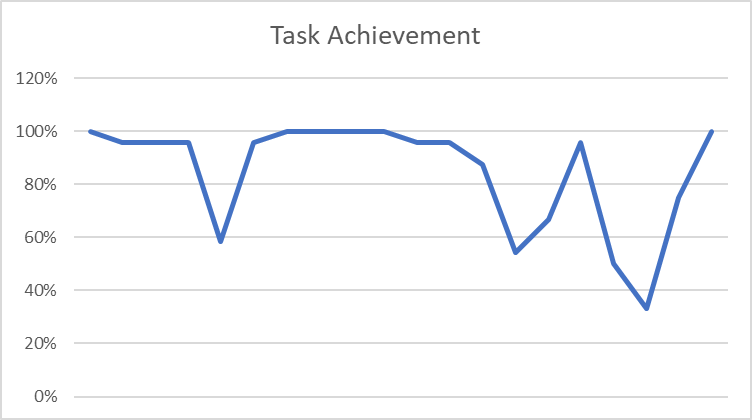
Some tasks are difficult to execute. The lowest one, the dip that shows 33%, is “wrapping my thoughts” at the end of the day. I made a pact that each night, I’d evaluate my days and write down what went well as planned and what went wrong. I maintain a database in Obsidian, but once I started tracking, I simply forgot to do that.
Here’s what I learned.
The Science of Habit Formation
Habit formation is rooted in the psychological pattern of cue, routine, and reward. Tracking activities helps identify the cues (triggers) and ensure the routine (action) is followed by some form of reward (satisfaction, achievement), reinforcing the habit loop. I forgot to reward myself.
Setting Up Your 30-Day Activity Tracker
Choosing the right tool is crucial. While digital platforms like Google Calendar offer accessibility and convenience, don’t shy away from traditional methods like bullet journals if they resonate more with your personal style. The key is to use a tracker that you’re excited to engage with daily.
Planning and Personalization:
The tracker should reflect your personal journey. Customize it with colours, stickers, or notes that motivate you. This personal touch can make the process more enjoyable and less of a chore.
Navigating Through the 30 Days: Tips and Strategies
- Consistency Over Perfection – It’s not about having a perfect streak but about consistency. Missed a day? That’s perfectly fine. What’s important is to get back on track without being too hard on yourself.
- Reflect and Adjust—Use your tracker not just for planning but also for reflecting. What worked? What didn’t? Adjust your plans as you learn more about what suits your lifestyle and preferences.
- Find Your Community – Whether it’s friends, family, or online groups, sharing your journey with others can provide that extra layer of motivation and accountability. Don’t underestimate the power of a supportive community. But being away from friends and family, I was not accountable to anyone but myself. I wish I had reined in a friend on this journey.
- Celebrate Milestones – Reward yourself for milestones reached. These rewards reinforce the positive experience associated with the habit, making it more likely to stick.
Beyond 30 Days: What’s Next?
As you near the end of your 30-day challenge, take time to reflect on the journey. What habits do you want to continue? What adjustments will make this sustainable in the long run? The end of these 30 days is just the beginning of a more mindful, intentional lifestyle.
Final Thoughts
Maintaining a 30-day activity tracker is more than just checking boxes; it’s about setting the foundation for lifelong habits that align with your goals and values. It’s a practice of mindfulness, discipline, and self-care. So here’s to the next 30 days — may they be the start of something truly transformative.
Remember, the journey of a thousand miles begins with a single step. Or, in this case, a single checkmark on your tracker. Let’s make each day count!
 Thinking Out Loud