
Just a few days ago, I had the opportunity to join a three-day professional development for educators involved in teaching indigenous students. With the management being newly appointed, there was some resistance to the changes being introduced. Being new to the team, I couldn’t help but observe the subtle censorship of certain terms like “freedom” and “democracy.” It was disheartening that those who were conducting the professional development were not familiar with the pedagogy of the oppressed, democratic pedagogy, or alternative teaching methods, and I discovered this during my conversation with them. This revelation prompted me to write something highlighting the significance of these educational approaches for indigenous learners.
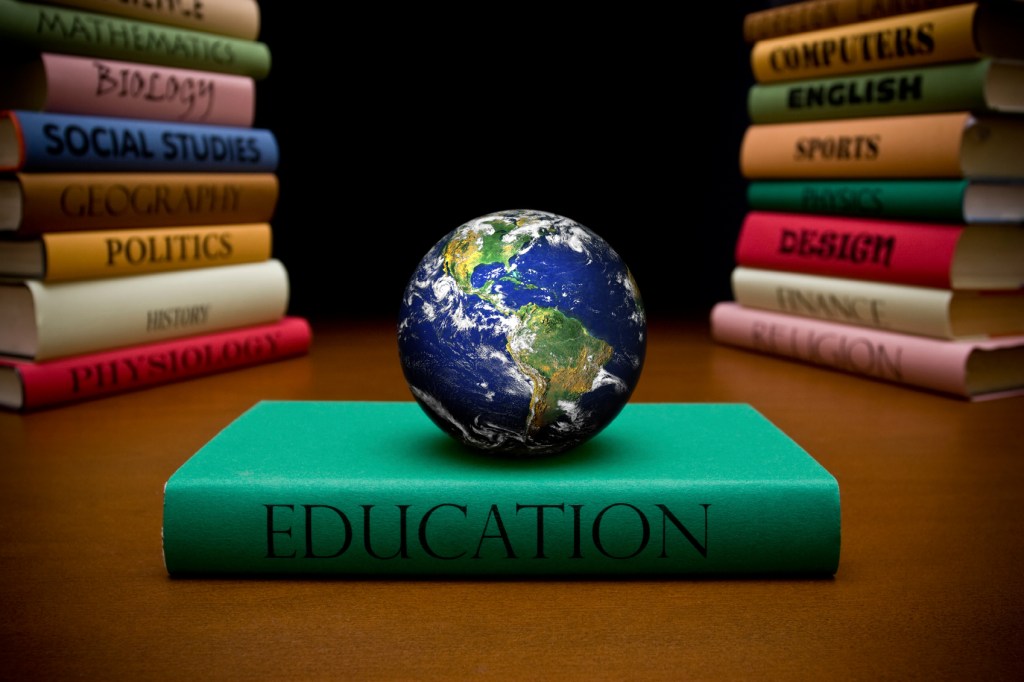
The Essence of Inclusive Pedagogies
Paulo Freire’s ‘Pedagogy of the Oppressed‘ revealed the authoritarian nature prevalent in traditional education or banking systems in education. Advocating for a dialogue-based method, this pedagogic style suggests a reciprocal and transformative connection between the learner and the educator — a student is not merely an observer but participates in learning. This translates to a learning atmosphere for indigenous learners where their cultural tales and histories aren’t just acknowledged and pivotal to their academic journey — moving past the outdated ‘banking concept’ of education, where students are mere repositories of information, to a more engaging model that values their insights and life experiences as essential to the learning voyage.
The concept of democratic education transcends the procedural aspects of democracies to imbue classrooms with democratic values and practices. It aims to nurture students’ autonomy, kindle critical thinking, and ensure active participation in learning. For indigenous students, this pedagogical approach positions them not just as learners but also as contributors, impacting their education’s content and method. It respects and acknowledges their distinct viewpoints, safeguarding their right to an education that respects and uplifts their cultural identities.
Encompassing diverse non-traditional educational models, including experiential learning, project-based learning, and culturally responsive teaching, ‘alternative pedagogies‘ cater significantly to indigenous scholars. They offer the flexibility to accommodate various learning preferences and align teachings with indigenous knowledge frameworks and beliefs.
The Impact of Silencing Critical Pedagogies
As I witnessed during the professional development week, the reluctance to embrace these critical pedagogies is a missed opportunity and a disservice to our indigenous students. By silencing discussions around ‘freedom’ and ‘democracy,’ we’re undermining the principles these words stand for and denying students the chance to engage with ideas that could be transformative for them, personally and educationally.
Conclusion
The incorporation of the pedagogy of the oppressed, democratic pedagogy, and alternative educational methods in the teaching of indigenous learners is essential. These approaches are not just educational strategies; they are tools of empowerment, avenues for cultural preservation, and catalysts for social change. As educators, we must actively recognize and incorporate these pedagogies into our instructional practices. We aim to foster an inclusive, vibrant, and respectful educational environment where all students, especially those from indigenous backgrounds, are poised to succeed.
 Thinking Out Loud